Borivali West, Mumbai, Maharashtra
- GST NO. : 27BCHPS6445M1ZV

Zinc Compound
Leading Manufacturers, Exporters, Wholesaler, Retailer and Trader of ammonium cerric nitrate, Fumaric Acid 99%, Liquid Mercury, Mercuric Chloride Powder, pure zinc oxide, Zinc Acetate 98%, Zinc Borate 45%, Zinc Bromide 99%, Zinc Chloride Powder, Zinc Cyanide, zinc dust, zinc dust metal powder, Zinc Iodide 98%, Zinc Nitrate Hexahydrate LR 96-103%, Zinc Oxide AR, Zinc Phosphate 98.5%, Zinc Stearate 10-12%, Zinc Sulphate Heptahydrate Purified 99%, Zinc Sulphate Monohydrate 99-100.5% and Zinc Sulphide 98% from Mumbai.
| Business Type | Manufacturer, Exporter, Supplier, Trader |
| Brand Name | ppc |
| Color | Orange to reddish-orange |
| Grade | LR Grade |
| CAS No. | 16774-21-3 |
| EINECS No. | 7646-85-7 |
| Purity | 99% |
| State | Powder |
| Country of Origin | India |
| Packaging Details | 50kg Drum |
| Usage/Application | Laboratory |
| CAS Number | 16774-21-3 |
| Molecular Weight | 548.26 g/mol |
| Coordination Geometry | Icosahedral |
| Molecular Formula | H8N8CeO18 |
| Density | ~1.61 g/cm³ |
| pH (aqueous solution) | ~1.0 – 2.0 (acidic) |
| Moisture Content | ≤ 1.0% |
| Appearance | Crystalline solid |
| Melting Point | ~107–108 °C (decomposes),107 to 108 Degree C |
| Boiling Point | Not applicable (decomposes) |
| Solubility | Highly soluble in water and alcohol |
| Shelf Life | 1 – 2 years (store properly) |
| Port | bhiwandi |
| Payment Terms | L/C |
| Delivery Time | 2/3 working days |
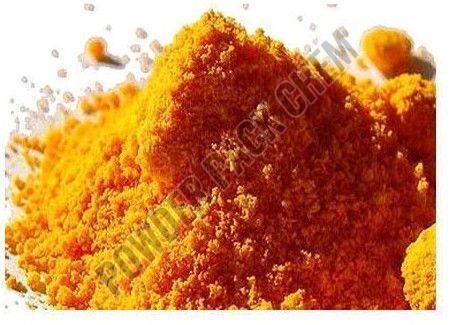
Ammonium Ceric Nitrate (Ceric Ammonium Nitrate) 99%, commonly abbreviated as CAN, is a strong oxidizing inorganic compound with the chemical formula (NH₄)₂Ce(NO₃)₆. It typically appears as bright orange to reddish crystalline solid, making it easily distinguishable among laboratory reagents.
This compound is highly soluble in water and polar organic solvents, forming intensely colored solutions. It is widely recognized for its powerful oxidizing properties and ability to participate in single-electron transfer reactions, making it an important reagent in organic synthesis and analytical chemistry.
Ammonium ceric nitrate is extensively used in oxidation reactions, cleavage of organic compounds, preparation of quinones, and as a standard oxidant in titrations. It is also applied in etching processes, polymer chemistry, and as a catalyst in various chemical transformations.
Due to its strong oxidizing nature, it must be handled carefully and kept away from reducing agents, organic materials, and combustible substances. The compound should be stored in a cool, dry place in tightly closed containers, protected from moisture and contamination. Proper safety precautions, including the use of protective equipment and ventilation, are essential during handling.
| Business Type | Manufacturer, Exporter, Supplier, Trader |
| Melting Point | 287 Degree C |
| Boiling Point | Not applicable (decomposes before boiling) |
| Packaging Size | 25-50Kg, 25kg |
| Country of Origin | India |
| Packaging Type | PP Bag |
| Form | Powder |
| Shelf Life | 2 – 3 years (under proper storage conditions) |
| Color | White |
| Molar Mass | 116.07 g/mol |
| Formula | C4H4O4 |
| Density | ~1.63 g/cm³ |
| Moisture Content | ≤ 0.5% |
| Appearance | Crystalline powder or granules |
| pH (1% solution) | ~2.0 – 3.0 |
| Solubility | Slightly soluble in water; soluble in alcohol |
| Port | bhiwandi |
| Payment Terms | L/C |
| Delivery Time | 2/3 working days |
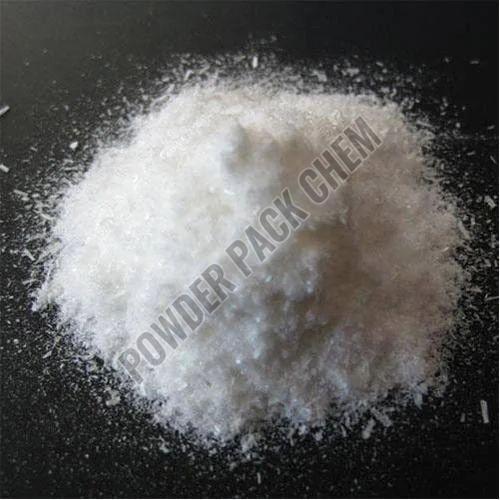
Fumaric Acid 99% is a high-purity, white crystalline organic acid belonging to the class of unsaturated dicarboxylic acids. Chemically known as trans-butenedioic acid, it occurs naturally in small amounts in various plants and is also produced synthetically for industrial use. It is odorless with a strong, persistent acidic taste and is only slightly soluble in water but more soluble in alcohol.
Due to its high acidity and excellent stability, fumaric acid is widely used as an acidulant and flavor enhancer in the food industry, particularly in beverages, bakery products, and confectionery. It is also utilized in resin and polymer production, pharmaceuticals, and animal feed. Compared to other organic acids, it provides a long-lasting sourness and has good heat stability, making it suitable for processed foods.
Fumaric acid is chemically stable under normal conditions and exhibits low hygroscopicity, which helps maintain its free-flowing nature during storage. It should be stored in a cool, dry, and well-ventilated area in tightly sealed containers to preserve its quality and prevent contamination.
| Business Type | Manufacturer, Exporter, Supplier, Trader |
| Country of Origin | India |
| Form | Liquid |
| Molecular Weight | 200.59 g/mol |
| Atomic Mass | 200.59 u +/- 0.02 u |
| Symbol | Hg |
| Atomic Number | 80 |
| Density | ~13.53 g/cm³ (at 20 °C) |
| pH | Not applicable (elemental metal) |
| Purity | ≥ 99.9% (typical commercial grade),99.6% |
| Moisture Content | Nil / Not applicable |
| Appearance | Heavy, shiny liquid metal |
| Melting Point | −38.83 °C,-38.83 Degree C |
| Boiling Point | 356.73 °C,356.7 Degree C |
| Solubility | Insoluble in water; forms amalgams with metals |
| Shelf Life | Indefinite (if properly stored) |
| Port | bhiwandi |
| Payment Terms | L/C |
| Delivery Time | 2/3 working days |
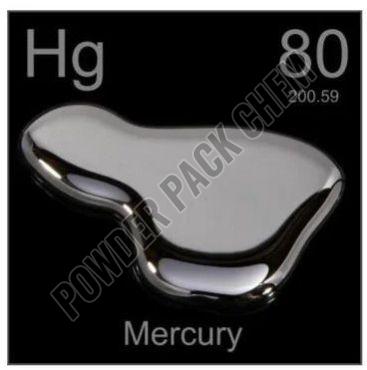
Liquid Mercury, also known as silver mercury or quicksilver, is a naturally occurring metallic element with the chemical symbol Hg. It is unique among metals because it exists as a liquid at room temperature, appearing as a dense, shiny, silvery substance with a high surface tension that forms round droplets.
Mercury is highly dense and electrically conductive, but a poor conductor of heat compared to other metals. It is insoluble in water and most organic solvents, though it can form alloys (amalgams) with many metals such as gold and silver. Due to these properties, mercury has historically been used in thermometers, barometers, electrical switches, fluorescent lamps, and gold extraction processes.
However, mercury is highly toxic, especially in its vapor form, and prolonged exposure can lead to severe damage to the nervous system, kidneys, and lungs. Because of its hazardous nature, its use is now strictly regulated in many industries and applications.
Liquid mercury is chemically stable under normal conditions but should be handled with extreme care. It must be stored in airtight, non-reactive containers in a cool, well-ventilated area to prevent vapor release and environmental contamination.
| Business Type | Manufacturer, Exporter, Supplier, Trader |
| Country of Origin | India |
| Brand Name | ppc |
| CAS No. | 7487-94-7 |
| Purity | ≥ 99% (AR/GR Grade) |
| Purity/Concentration | >99% |
| Packaging Details | 25Kg Bag |
| Usage/application | Industrial Applications |
| CAS Number | 7487-94-7 |
| Form | Powder |
| Molecular Formula | HgCl2 |
| Molar Mass / Molecular Weight | 271.50 g/mol |
| Moisture Content | ≤ 0.5 – 1.0% |
| Appearance | Crystalline solid or powder,White Color Powder |
| Melting Point | ~277 °C |
| Boiling Point | ~302 °C (sublimes) |
| Solubility | Soluble in water, alcohol, and ether |
| Shelf Life | 2 – 3 years (under proper storage conditions) |
| Port | bhiwandi |
| Payment Terms | L/C |
| Delivery Time | 2/3 working days |
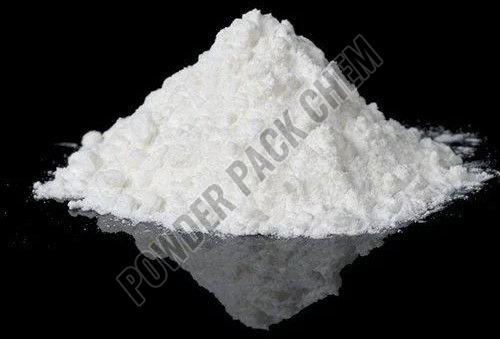
Mercuric Chloride is a highly toxic, white crystalline inorganic compound with the chemical formula HgCl₂. It is odorless, has a slightly bitter metallic taste, and is soluble in water, alcohol, and ether. The compound is also known as corrosive sublimate due to its strong corrosive and poisonous nature.
Mercuric chloride is chemically stable under normal conditions but sublimes on heating, forming toxic mercury vapors. It has strong antiseptic and disinfectant properties, although its use in medical applications has largely declined due to its extreme toxicity. Historically, it was used in preservatives, disinfectants, wood treatment, and photographic chemicals, but today its applications are limited and strictly controlled.
Because of its high toxicity and corrosiveness, mercuric chloride poses serious health risks if inhaled, ingested, or absorbed through the skin. It can cause severe damage to the kidneys and nervous system. Therefore, it must be handled with strict safety precautions, including the use of protective equipment and proper ventilation. It should be stored in tightly sealed containers in a cool, dry place, away from light and incompatible substances.
| Business Type | Manufacturer, Exporter, Supplier, Trader |
| Country of Origin | India |
| Form | Powder |
| Brand Name | ppc |
| Color | white |
| Melting Point | 1,975 Degree C |
| Density | 5.61 g/cm3 |
| Molar Mass | 81.38 g/mol |
| Formula | ZnO |
| Molecular Formula | ZnO |
| pH (aqueous suspension) | ~6.0 – 7.5 |
| Purity | ≥ 98% |
| Appearance | Fine powder |
| Boiling Point | ~2360 °C (sublimes) |
| Solubility | Insoluble in water; soluble in acids and alkalies |
| Shelf Life | 3 – 5 years (under proper storage conditions) |
| Port | bhiwandi |
| Payment Terms | L/C |
| Delivery Time | 2/3 working days |
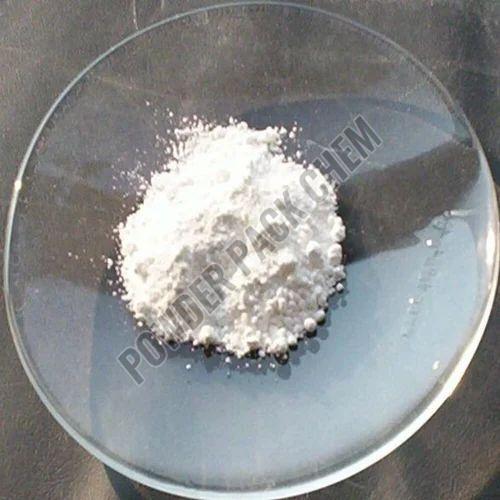
Zinc Oxide (Pure) 98% is a high-purity inorganic compound with the chemical formula ZnO, supplied as a fine, white, odorless powder. It is insoluble in water but readily dissolves in acids and alkalies to form corresponding zinc salts.
This grade of zinc oxide offers excellent chemical stability, high whiteness, and fine particle size, making it suitable for a wide range of industrial and general-purpose applications. It possesses UV absorption, antibacterial, and mild astringent properties, which contribute to its usefulness in various formulations.
Zinc oxide is widely used in rubber manufacturing (as an activator), paints and coatings (as a pigment and protective agent), ceramics, cosmetics, pharmaceuticals, and chemical processing. It also plays an important role in electronics and specialty materials due to its semiconducting behavior.
The material is stable under normal conditions, non-combustible, and relatively low in toxicity; however, prolonged inhalation of fine dust should be avoided. It should be stored in a cool, dry place in tightly closed containers to prevent contamination and moisture uptake.
| Business Type | Manufacturer, Exporter, Supplier, Trader |
| Solubility | 1.5 G/100 Ml (methanol) |
| Country of Origin | India |
| Packaging Size | 25-50 Kg |
| Brand Name | ppc |
| Color | White |
| Form | Powder |
| Mol Formula | Zn(CH3COO)2.2H2O |
| CAS No | 5970-45-6 |
| Formula | Zn(CH₃COO)₂·2H₂O |
| Molar Mass | 219.50 g/mol (dihydrate) |
| Solubility in Water | Highly soluble in water and alcohol |
| Shelf Life | 2 – 3 years (under proper storage conditions) |
| Appearance | Crystalline powder or granules |
| Moisture Content | As per hydration (water of crystallization) |
| pH (5% solution) | ~5.5 – 6.5 |
| Density | ~1.74 g/cm³ |
| Melting Point | ~100 °C (loses water), decomposes on further heating |
| Boiling Point | Not applicable (decomposes) |
| Port | bhiwandi |
| Payment Terms | L/C |
| Delivery Time | 2/3 working days |
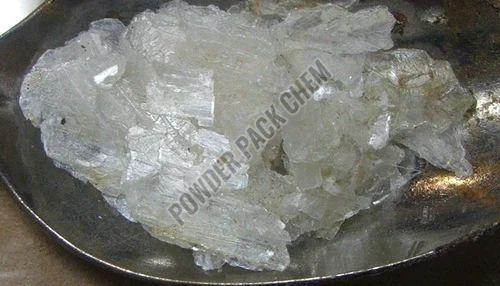
Zinc Acetate is a white crystalline inorganic compound, typically found in its most common form as zinc acetate dihydrate (Zn(CH₃COO)₂·2H₂O). It is odorless, mildly acidic, and readily soluble in water and alcohol. The compound is formed by the reaction of zinc metal or zinc oxide with acetic acid and is known for its good solubility and bioavailability of zinc ions.
Zinc acetate is widely used in pharmaceuticals as a zinc supplement, particularly in lozenges for treating the common cold and zinc deficiency. It also finds applications in the textile industry as a mordant, in wood preservation, and in chemical synthesis as a catalyst or reagent. In laboratories, it is used for analytical purposes and in the preparation of other zinc compounds.
The compound is chemically stable under normal conditions but should be stored in tightly closed containers in a cool, dry environment, as it may absorb moisture from the air (hygroscopic nature). It is generally safe when handled properly, although excessive exposure may cause mild irritation to skin, eyes, or respiratory system.
| Business Type | Manufacturer, Exporter, Supplier, Trader |
| Country of Origin | India |
| Usage | Industrial |
| Color | white |
| Chemical Formula | 2ZnO·3B₂O₃·3.5H₂O |
| Brand Name | ppc |
| CAS No. | 138265-88-0 |
| CAS No | 138265-88-0 |
| Physical State | Powder |
| Packaging Type | Plastic Bag |
| Packaging Size | 25-50 Kg |
| Molar Mass / Molecular Weight | ~434.7 g/mol (approx.) |
| Density | ~2.67 g/cm³ |
| pH (10% slurry) | ~6.5 – 7.5 |
| Purity | ZnO content ~45% |
| Moisture Content | ≤ 1.0% |
| Appearance | Fine powder |
| Melting Point | > 980 °C (decomposes) |
| Boiling Point | Not applicable (decomposes) |
| Solubility | Practically insoluble in water |
| Shelf Life | 2 – 3 years |
| Port | bhiwandi |
| Payment Terms | L/C |
| Delivery Time | 2/3 working days |
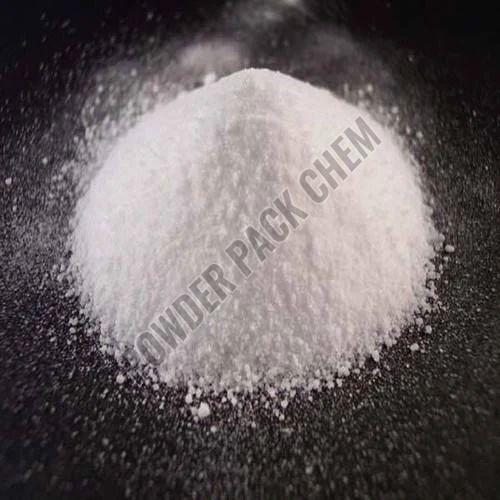
Zinc Borate 45% is an inorganic flame-retardant and smoke-suppressant additive, commonly used in polymers, rubber, paints, and coatings. It is typically supplied as a fine, white, odorless powder with good thermal stability and low solubility in water. The “45%” generally refers to the zinc oxide (ZnO) content present in the compound.
Zinc borate acts as a multifunctional additive, providing flame retardancy, anti-dripping properties, smoke suppression, and afterglow reduction in various materials. It works synergistically with other flame retardants such as aluminum hydroxide and antimony trioxide, enhancing overall fire resistance performance.
It is chemically stable, non-volatile, and environmentally safer compared to many halogenated flame retardants. Zinc borate also exhibits anti-fungal and anti-corrosive properties, making it useful in coatings and wood preservation applications.
Due to its fine particle size and dispersibility, it is widely used in plastics (PVC, polyolefins), rubber compounds, cable insulation, paints, adhesives, and sealants. It should be stored in a cool, dry environment in tightly closed containers to avoid moisture absorption and contamination.
| Business Type | Manufacturer, Exporter, Supplier, Trader |
| CAS No | 7699-45-8 |
| Other Anions | Zinc Fluoride, Zinc Chloride, Zinc Iodide |
| Other Cations | Cadmium Bromide, Mercury(ii) Bromide, Calcium Bromide |
| Molar Mass | 225.198 G/mol |
| Formula | ZnBr2 |
| Country of Origin | India |
| Molecular Formula | ZnBr₂ |
| Density | ~4.22 g/cm³ |
| pH (5% solution) | ~4.0 – 6.0 |
| Purity | ≥ 99% |
| Moisture Content | ≤ 1.0% (typical) |
| Appearance | Crystalline solid / powder |
| Melting Point | ~394 °C |
| Boiling Point | ~697 °C |
| Solubility | Highly soluble in water, alcohol, and ether |
| Shelf Life | 1 – 2 years (store airtight) |
| Port | bhiwandi |
| Payment Terms | L/C |
| Delivery Time | 2/3 working days |
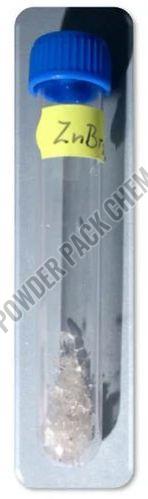
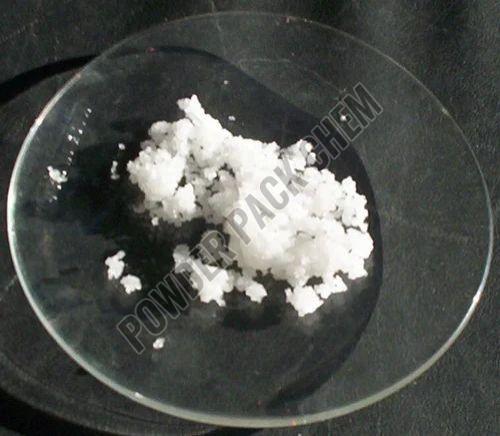
Zinc Bromide 99% is a high-purity inorganic compound with the chemical formula ZnBr₂, typically available as a white, crystalline solid or granular material. It is highly hygroscopic and deliquescent, meaning it readily absorbs moisture from the atmosphere and can dissolve in the absorbed water to form a concentrated solution.
This compound is highly soluble in water, alcohol, and ether, producing clear, colorless solutions. Zinc bromide exhibits strong Lewis acid properties and is widely used in organic synthesis, as a catalyst, and in chemical processing.
Due to its high density and solubility, zinc bromide is commonly used in oil and gas well completion fluids where it serves as a clear brine fluid. It is also utilized in photography, pharmaceuticals, and battery applications.
Zinc bromide is chemically stable under normal conditions but should be protected from moisture and stored in tightly sealed containers. It can be corrosive and irritating to skin and eyes, so appropriate safety precautions should be followed during handling.
| Business Type | Manufacturer, Exporter, Supplier, Trader |
| Grade | Industrial |
| Country of Origin | India |
| Brand Name | ppc |
| Color | White to colourless |
| Form | Powder |
| CAS No. | 7646-85-7 |
| Density | 2.91 g/cm3 |
| Molar Mass | 136.286 g/mol |
| Boiling Point | 732 Degree C |
| Formula | ZnCl2 |
| pH (5% solution) | ~4.0 – 5.5 |
| Purity | ≥ 99% |
| Moisture Content | ≤ 1.0% |
| Appearance | Crystalline powder / granular |
| Solubility | Highly soluble in water, alcohol, glycerol, and ether |
| Shelf Life | 1 – 2 years (airtight storage recommended) |
| Melting Point | ~290 °C |
| Port | bhiwandi |
| Payment Terms | L/C |
| Delivery Time | 2/3 working days |
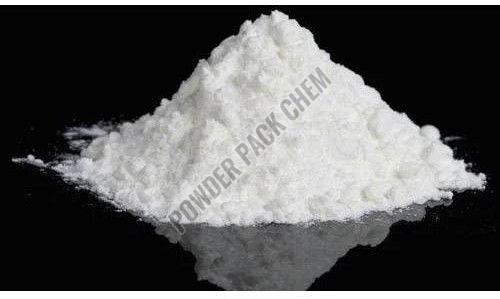
Zinc Chloride Powder 99% is a high-purity inorganic compound with the chemical formula ZnCl₂, typically appearing as a white, crystalline or granular powder. It is highly hygroscopic and deliquescent, meaning it readily absorbs moisture from the air and can liquefy upon prolonged exposure.
Zinc chloride is highly soluble in water, alcohol, glycerol, and ether, forming clear, acidic solutions. It exhibits strong Lewis acid properties, making it widely used as a catalyst, dehydrating agent, and fluxing agent in various chemical and industrial processes.
This compound is extensively used in metal surface treatment, galvanizing, soldering fluxes, textile processing, wood preservation, and battery electrolytes. It is also utilized in organic synthesis, pharmaceutical preparations, and as a disinfectant in certain controlled applications.
Zinc chloride is chemically stable under normal conditions but reacts with water to produce heat and acidic solutions. Due to its corrosive nature, it should be handled with care using proper protective equipment and stored in airtight containers in a cool, dry place to prevent moisture absorption and degradation.
| Business Type | Manufacturer, Exporter, Supplier, Trader |
| Country of Origin | India |
| Brand Name | ppc |
| Physical State | Powder |
| Packaging Type | Loose |
| Packaging Size | 25-50 Kg |
| Color | White |
| Formula | Zn(CN)2 |
| CAS No. | 557-21-1 |
| Density | ~1.85 g/cm³ |
| pH (aqueous suspension) | ~6.0 – 8.0 |
| Purity | ≥ 98 – 99%,>99% |
| Moisture Content | ≤ 0.5 – 1.0% |
| Colour | White |
| Appearance | Fine amorphous or crystalline powder |
| Melting Point | Decomposes ~800 °C |
| Boiling Point | Not applicable (decomposes) |
| Solubility | Slightly soluble in water; soluble in alkali cyanide solutions |
| Shelf Life | 1 – 2 years (under proper storage conditions) |
| Port | bhiwandi |
| Payment Terms | L/C |
| Delivery Time | 2/3 working days |
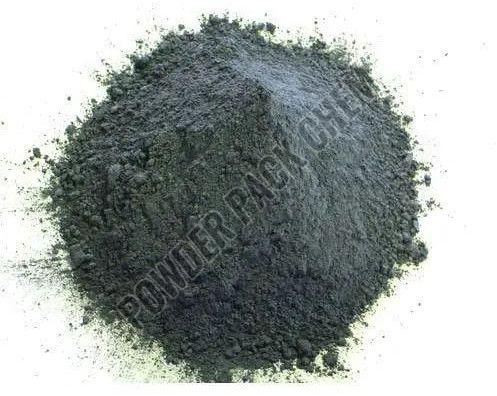
Zinc Cyanide is an inorganic compound with the chemical formula Zn(CN)₂, appearing as a white, amorphous to crystalline powder. It is sparingly soluble in water but readily dissolves in solutions containing excess cyanide ions due to complex formation. The compound is primarily used in electroplating processes, where it serves as a source of zinc in cyanide-based plating baths, producing smooth and uniform metal coatings.
Zinc cyanide is chemically stable under controlled conditions but reacts with acids to release highly toxic hydrogen cyanide (HCN) gas, making it a hazardous substance that requires strict handling and safety precautions. It is also used in organic synthesis and chemical intermediates, though its applications are limited due to toxicity concerns.
Because of its high toxicity, zinc cyanide must be handled only with proper protective equipment in well-ventilated environments. It should be stored in tightly sealed containers, away from acids, moisture, and incompatible materials to prevent decomposition and exposure risks.
| Business Type | Manufacturer, Exporter, Supplier, Trader |
| Country of Origin | India |
| Packaging Size | 25 Kg |
| Packaging Type | Plastic Packets |
| Form | Powder |
| Brand Name | ppc |
| Color | Grey to bluish-grey |
| Type | Zinc Dust |
| Molecular Formula | Zn |
| Molar Mass / Molecular Weight | 65.38 g/mol |
| Density | ~7.1 g/cm³ (true density) |
| pH | Not applicable (metal; neutral in water) |
| Purity | ≥ 90%,90%, 90-95% |
| Moisture Content | ≤ 0.5 – 1.0% |
| Appearance | Fine metallic powder (dust form) |
| Melting Point | ~419.5 °C |
| Boiling Point | ~907 °C |
| Solubility | Insoluble in water; soluble in acids and alkalis with reaction |
| Shelf Life | 1 – 2 years (under proper storage conditions) |
| Port | bhiwandi |
| Payment Terms | L/C |
| Delivery Time | 2/3 working days |
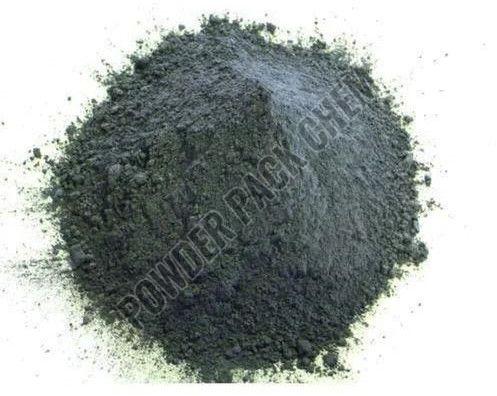
Zinc (Dust) 90% is a fine, grayish metallic powder consisting predominantly of elemental zinc with a typical purity of around 90%. It is characterized by its high surface area and reactivity, which makes it especially useful in chemical and industrial processes. Zinc dust is insoluble in water but reacts readily with acids and alkalis, releasing hydrogen gas.
Due to its strong reducing properties, zinc dust is widely used in galvanizing processes, corrosion protection coatings (such as zinc-rich paints), and chemical synthesis. It also plays an important role in metallurgical operations, gold and silver recovery, and battery manufacturing. The powder form enhances its effectiveness in reactions compared to bulk metal.
Zinc dust is flammable in fine particulate form and may form explosive mixtures with air, so it must be handled carefully. It should be stored in a cool, dry, and well-ventilated environment, away from moisture, acids, and oxidizing agents to maintain stability and safety.
| Business Type | Manufacturer, Exporter, Supplier, Trader |
| Packaging Type | bag |
| Physical Form | powder,Powder |
| Brand Name | ppc |
| Packaging Size | 500 Gm |
| Country of Origin | India |
| CAS No | 7440-66-6 |
| Molecular Formula | Zn |
| Molar Mass / Molecular Weight | 65.38 g/mol |
| Density | ~7.1 g/cm³ (true density) |
| pH | Not applicable (metal) |
| Purity | ≥ 95%,85-90% |
| Moisture Content | ≤ 0.5 – 1.0% |
| Color | Grey to bluish-grey |
| Appearance | Fine metallic powder (dust form) |
| Melting Point | ~419.5 °C |
| Boiling Point | ~907 °C |
| Solubility | Insoluble in water; soluble in acids and alkalis with reaction |
| Shelf Life | 1 – 2 years (under proper storage conditions) |
| Port | bhiwandi |
| Payment Terms | L/C |
| Delivery Time | 2/3 working days |
Zinc (Metal) Dust 95% is a fine, gray to bluish-grey metallic powder consisting predominantly of elemental zinc with a purity of approximately 95%. It is characterized by its high surface area and enhanced reactivity, which makes it highly effective in chemical and metallurgical processes. Compared to coarser forms of zinc, the dust form provides faster reaction rates due to its finely divided particles.
The material is insoluble in water but reacts readily with acids and strong alkalis, producing hydrogen gas. It acts as a strong reducing agent and is widely used in galvanizing, zinc-rich anti-corrosion coatings, chemical synthesis, and precious metal recovery (gold and silver extraction). It is also utilized in battery manufacturing and as a reagent in various industrial processes.
Zinc dust is flammable in finely divided form and may form explosive mixtures with air, especially in the presence of ignition sources. Therefore, it must be handled with care, using proper safety measures and adequate ventilation. The product should be stored in a cool, dry, and well-ventilated area, away from moisture, acids, oxidizing agents, and open flames to ensure safety and maintain product quality.
| Business Type | Manufacturer, Exporter, Supplier, Trader |
| Country of Origin | India |
| CAS No. | 10139-47-6 |
| Purity | ≥ 98% |
| Grade | Industrial |
| Molar Mass | 319.22 g/mol |
| Formula | ZnI2 |
| Other Anions | Zinc Fluoride; Zinc Chloride; Zinc Bromide |
| Solubility in water | Highly soluble in water, alcohol, and ether |
| Density | ~4.74 g/cm³ |
| pH (5% solution) | ~4.0 – 6.0 |
| Moisture Content | ≤ 1.0% (typical) |
| Appearance | Crystalline solid / powder |
| Melting Point | ~446 °C |
| Boiling Point | ~624 °C (decomposes) |
| Shelf Life | 1 – 2 years (store airtight, moisture-sensitive) |
| Port | bhiwandi |
| Payment Terms | L/C |
| Delivery Time | 2/3 working days |
Zinc Iodide 98% is a high-purity inorganic compound with the chemical formula ZnI₂, typically appearing as a white to off-white crystalline solid. It is highly hygroscopic and deliquescent, readily absorbing moisture from the air and dissolving to form a clear solution.
Zinc iodide is highly soluble in water, alcohol, and ether, producing transparent, colorless solutions. It exhibits strong Lewis acid properties, making it useful as a catalyst in organic synthesis, particularly in reactions such as iodination and condensation processes.
This compound is also used in analytical chemistry, photographic chemicals, antiseptic formulations, and as a precursor in the preparation of other iodine-containing compounds. Due to its high iodine content, it is sometimes utilized in specialized industrial and pharmaceutical applications.
Zinc iodide is chemically stable under normal conditions, but it should be stored in airtight containers to prevent moisture absorption and degradation. It may cause irritation to skin, eyes, and respiratory tract, and should be handled using appropriate safety precautions.
| Business Type | Manufacturer, Exporter, Supplier |
| Country of Origin | India |
| Grade | Lab Grade |
| Brand Name | ppc |
| Color | Colorless to white |
| CAS No. | 10196-18-6 |
| Purity/Concentration | >99% |
| Molar Mass | 297.49 g/mol |
| Solubility in Water | Highly soluble in water and alcohol |
| Formula | Zn(NO₃)₂·6H₂O |
| Shelf Life | 1 – 2 years (store airtight due to hygroscopic nature) |
| Density | ~2.06 g/cm³ |
| pH (5% solution) | ~4.0 – 6.0 |
| Moisture Content | As per hydration (contains 6H₂O) |
| Appearance | Crystalline solid |
| Melting Point | ~36–37 °C (melts in its water of crystallization) |
| Boiling Point | Not applicable (decomposes on heating) |
| Port | bhiwandi |
| Payment Terms | L/C |
| Delivery Time | 2/3 working days |
Zinc Nitrate Hexahydrate LR (96–103%) is a high-purity laboratory reagent grade inorganic compound with the chemical formula Zn(NO₃)₂·6H₂O. It appears as colorless to white crystalline solid and is highly hygroscopic (deliquescent), readily absorbing moisture from the air and dissolving in it.
This compound is highly soluble in water and alcohol, forming clear solutions, and acts as a strong oxidizing agent due to the presence of nitrate ions. It decomposes upon heating to produce zinc oxide, nitrogen oxides, and oxygen gases.
Zinc nitrate hexahydrate is widely used in analytical chemistry, laboratory synthesis, catalysts preparation, mordants in dyeing, and as a precursor for zinc-based materials. It is also utilized in the preparation of ceramics, coatings, and catalysts.
Because of its oxidizing nature, it should be handled carefully and stored in tightly sealed containers in a cool, dry, and well-ventilated area, away from combustible materials and reducing agents.

| Business Type | Manufacturer, Exporter, Supplier, Trader |
| Form | Powder |
| Country of Origin | India |
| Color | white |
| Melting Point | 1,975 Degree C |
| Density | 5.61 g/cm3 |
| Molar Mass | 81.38 g/mol |
| Formula | ZnO |
| pH (aqueous suspension) | ~6.0 – 7.5 |
| Moisture Content | ≤ 0.5% |
| Appearance | Fine powder |
| Solubility | Insoluble in water; soluble in acids and alkalies |
| Boiling Point | ~2360 °C (sublimes) |
| Shelf Life | 3 – 5 years (under proper storage conditions) |
| Port | bhiwandi |
| Payment Terms | L/C |
| Delivery Time | 2/3 working days |
Zinc Oxide AR (Analytical Reagent Grade) is a high-purity inorganic compound with the chemical formula ZnO, widely used in laboratory analysis and high-precision applications. It appears as a fine, white, odorless powder that is insoluble in water but readily dissolves in acids and alkalies to form corresponding zinc salts.
Zinc oxide is known for its high thermal stability, chemical inertness, and excellent UV absorption properties. In AR grade, it is manufactured with very low impurity levels, making it suitable for analytical chemistry, pharmaceutical formulations, and research purposes where accuracy and consistency are critical.
It is commonly used as a laboratory reagent, catalyst, rubber activator, and in the preparation of zinc salts. Additionally, it finds applications in cosmetics, ceramics, coatings, and electronic materials due to its protective and semiconducting properties.
Zinc oxide is generally stable under normal conditions but should be stored in a tightly closed container in a dry environment to prevent contamination. It is considered low in toxicity, though prolonged inhalation of fine dust should be avoided, and proper handling practices should be followed.
| Business Type | Manufacturer, Exporter, Supplier, Trader |
| Grade | Technical Grade |
| Form | Powder |
| Purity | 99% |
| Brand Name | ppc |
| Application | Industrial |
| Color | White to off-white |
| CAS No. | 7779 90 0 |
| Country of Origin | India |
| Density | ~3.0 – 3.5 g/cm³ |
| Formula | Zn₃(PO₄)₂ |
| Solubility in Water | Insoluble in water; soluble in dilute acids |
| Molar Mass | 386.11 g/mol |
| pH (10% suspension) | ~6.0 – 8.0 |
| Moisture Content | ≤ 1.0 – 2.0% |
| Appearance | Fine powder |
| Melting Point | ~900 °C (decomposes) |
| Boiling Point | Not applicable (decomposes) |
| Solubility | Insoluble in water; soluble in dilute acids |
| Shelf Life | 2 – 3 years (under proper storage conditions) |
| Port | bhiwandi |
| Payment Terms | L/C |
| Delivery Time | 2/3 working days |
Zinc Phosphate 98.5% is a high-purity, white to off-white inorganic compound widely used as a corrosion-inhibiting pigment in protective coatings and primers. Chemically represented as Zn₃(PO₄)₂, it is known for its excellent anti-corrosive properties, low toxicity compared to traditional lead-based pigments, and good compatibility with a wide range of binder systems.
It is typically supplied as a fine powder with good dispersibility and is insoluble in water but slightly soluble in acidic environments. When applied in coatings, zinc phosphate reacts with the metal substrate to form a protective passive layer, effectively preventing rust and extending the life of metal surfaces.
Due to its environmentally friendly profile and stability, zinc phosphate is widely used in paints, coatings, primers, marine applications, and industrial metal protection systems. It is also used in ceramics, dental cements, and specialized chemical formulations. The product is stable under normal conditions and should be stored in a dry, well-ventilated area to maintain its quality and performance.
| Business Type | Manufacturer, Exporter, Supplier, Trader |
| Grade Standard | Industrial Grade |
| Country of Origin | India |
| Form | Powder |
| Applications | ppc |
| Brand Name | ppc |
| Color | white |
| Classification | 1309-48-4 |
| CAS No. | 557-05-1 |
| EINECS No. | ≤ 0.5 – 1.0 % |
| Purity | ≥ 95 – 99% |
| Packaging Type | Plastic Bag |
| Density | 1.1 g/cm3 |
| Formula | C36H70O4Zn |
| pH (1% dispersion) | ~6.0 – 8.0 |
| Appearance | Fine, soft, hydrophobic powder |
| Melting Point | ~120 – 130 °C |
| Boiling Point | Not applicable (decomposes) |
| Solubility | Insoluble in water and alcohol; soluble in hot organic solvents |
| Shelf Life | 2 – 3 years (under proper storage conditions) |
| Port | bhiwandi |
| Payment Terms | L/C |
| Delivery Time | 2/3 working days |
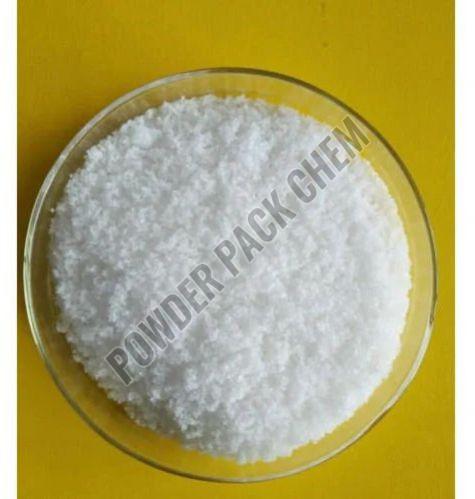
Zinc Stearate 10–12% is a fine, white, hydrophobic powder composed of zinc salts of stearic acid, widely used as a lubricant, release agent, and anti-caking additive in various industrial and cosmetic applications. The “10–12%” typically refers to the zinc (Zn) content present in the compound. It has a soft, soapy texture and excellent water-repellent properties, making it highly effective in improving powder flow and preventing sticking during processing.
Zinc stearate is insoluble in water and alcohol but disperses well in organic systems, forming a lubricating film that reduces friction between particles and surfaces. It is commonly used in the plastics, rubber, paints, coatings, cosmetics, and pharmaceuticals industries as a mold release agent, stabilizer, and processing aid. The material is chemically stable under normal conditions and exhibits good thermal stability, but it should be stored in a cool, dry place to maintain its free-flowing nature and prevent moisture absorp
| Business Type | Manufacturer, Exporter, Supplier |
| Packaging Type | Plastic Bag |
| Packaging Size | 25-45 Kg |
| Application | Pharmaceutical |
| Country of Origin | India |
| Brand Name | ppc |
| Color | Colorless to white |
| Solubility | Slightly Soluble In Alcohol |
| Form | Powder |
| Molecular Formula | Znso4. 7h2o |
| Density | ~1.97 g/cm³ |
| pH (5% solution) | ~4.0 – 6.0 |
| Moisture Content | As per hydration (contains 7H₂O) |
| Appearance | Crystals / granular / powder |
| Melting Point | ~100 °C (loses water of crystallization) |
| Boiling Point | Not applicable (decomposes),Decomposes |
| Shelf Life | 2 – 3 years |
| Port | bhiwandi |
| Payment Terms | L/C |
| Delivery Time | 2/3 working days |
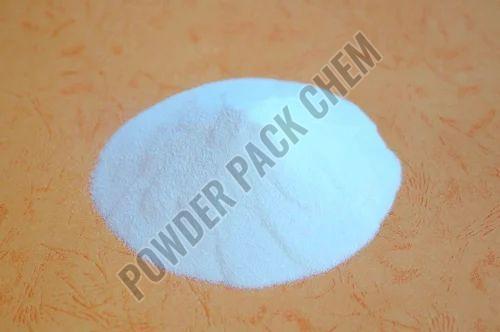
Zinc Sulphate Heptahydrate Purified 99% is a high-purity inorganic salt with the chemical formula ZnSO₄·7H₂O, commonly known as white vitriol. It appears as colorless to white crystalline granules or powder and is highly water-soluble, forming clear, slightly acidic solutions.
This compound contains seven molecules of water of crystallization, which contribute to its crystalline structure and stability under normal conditions. It is widely used in pharmaceuticals, analytical chemistry, agriculture, and industrial processes due to its high purity and consistent quality.
Zinc sulphate heptahydrate is commonly used as a dietary zinc supplement, micronutrient in fertilizers, laboratory reagent, and in water treatment processes. It also finds applications in textiles, electroplating, and chemical synthesis.
The product is stable under normal storage conditions, but being slightly hygroscopic, it should be stored in a cool, dry place in tightly sealed containers to prevent moisture absorption and caking. It is generally safe when handled properly, though it may cause mild irritation to skin and eyes upon contact.
| Business Type | Manufacturer, Exporter, Supplier, Trader |
| Packaging Type | Plastic Bag |
| Packaging Size | 5 Kg, 25 Kg |
| Country of Origin | India |
| Form | Powder |
| Brand Name | ppc |
| Purity | 99% |
| Color | White |
| Molecular Formula | H2O5SZn |
| Molecular Weight | 179.451 g/mol |
| Density | ~3.28 g/cm³ |
| pH (5% solution) | ~4.0 – 6.0 |
| Moisture Content | As per hydration (contains 1H₂O) |
| Appearance | Crystalline powder / granules |
| Melting Point | ~238 °C (decomposes) |
| Boiling Point | Not applicable (decomposes) |
| Solubility | Highly soluble in water; slightly soluble in alcohol |
| Shelf Life | 2 – 3 years |
| Port | bhiwandi |
| Payment Terms | L/C |
| Delivery Time | 2/3 working days |
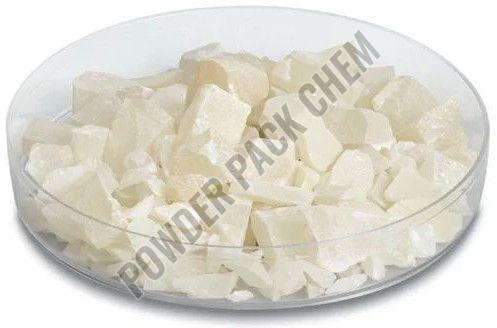
Zinc Sulphate Monohydrate 99–100.5% is a high-purity inorganic salt with the chemical formula ZnSO₄·H₂O, widely used in agriculture, pharmaceuticals, and industrial applications. It appears as a white, free-flowing crystalline powder or granules and is highly soluble in water, forming clear, slightly acidic solutions.
This compound contains one molecule of water of crystallization, which provides improved stability and lower hygroscopicity compared to the heptahydrate form. Due to its high zinc content, it is commonly used as a micronutrient fertilizer to correct zinc deficiencies in soil and crops, enhancing plant growth and yield.
Zinc sulphate monohydrate is also utilized in animal feed supplements, pharmaceutical formulations, water treatment, and chemical manufacturing. It plays a key role as a source of zinc in various industrial processes including electroplating and textile treatment.
The product is chemically stable under normal conditions but should be stored in a cool, dry place in tightly closed containers to prevent moisture absorption and caking. It is generally safe when handled properly, though it may cause mild irritation to skin and eyes.
| Business Type | Manufacturer, Exporter, Supplier |
| Formula | ZnS |
| Country of Origin | India |
| Brand Name | ppc |
| CAS No. | 1314-98-3 |
| Solubility in water | Insoluble in water; soluble in acids with H₂S evolution |
| Molar Mass | 97.474 G/mol |
| Density | ~3.9 – 4.1 g/cm³ |
| pH (5% suspension) | ~6.0 – 8.0 |
| Purity | ≥ 98% |
| Moisture Content | ≤ 0.5 – 1.0% |
| Appearance | Fine powder |
| Melting Point | ~1700 °C (sublimes/decomposes) |
| Boiling Point | Not applicable (sublimes) |
| Shelf Life | 2 – 3 years (under proper storage conditions) |
| Port | bhiwandi |
| Payment Terms | L/C |
| Delivery Time | 2/3 working days |
Zinc Sulphide 98% is a high-purity, white to off-white inorganic compound with the chemical formula ZnS, commonly used as a pigment and luminescent material. It occurs in two crystalline forms—sphalerite (cubic) and wurtzite (hexagonal)—both of which exhibit excellent optical and chemical properties.
This compound is insoluble in water but dissolves in strong acids with the release of hydrogen sulfide gas. It is widely known for its ability to exhibit phosphorescence when activated with trace elements, making it useful in glow-in-the-dark materials, display screens, and fluorescent applications.
Zinc sulphide is extensively used in paints, coatings, plastics, rubber, ceramics, and optical applications due to its high refractive index, chemical stability, and opacity. It is also utilized in X-ray screens, infrared optics, and as a pigment extender. The material is stable under normal conditions but should be stored in a dry, well-ventilated environment to maintain quality and prevent contamination.

